On a film podcast, the director describes AI as a tool for fewer takes, not fewer crewDavid Fincher says AI cleaned up dialogue on "Cliff Booth" and sketches a new way to shoot
Speaking on The Big Picture podcast, Fincher confirmed AI was used to clean up audio tracks on his new Netflix film and laid out how captured performances could replace some repeat takes.
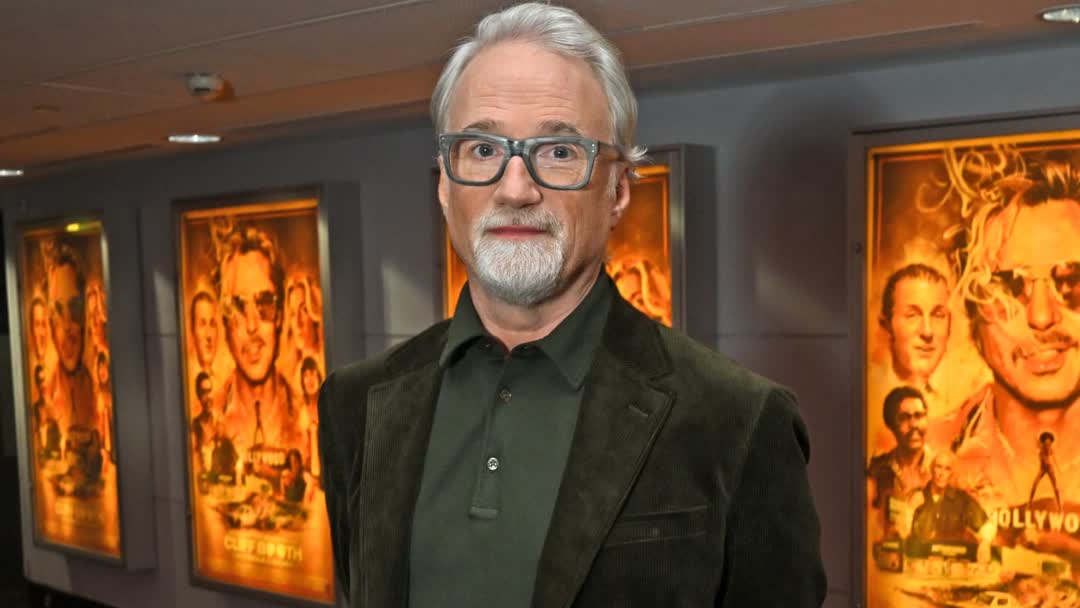
David Fincher has become one of the few major directors to speak openly in favour of AI on set. In an interview on The Big Picture podcast with Sean Fennessey, reported on 25 November by TheWrap and World of Reel, he discussed how the technology fits into his work on The Further Mis-Adventures of Cliff Booth.
According to World of Reel, Fincher confirmed that AI was used to clean up dialogue tracks on the film. He also said that if a line had to be borrowed from a different take and cutting away was not an option, AI could be used to re-sync the actor's lips to it.
He then described a possible future workflow. The crew would shoot the master shot many times, while capturing actors' facial performances separately, seated and filmed from the chest up. Coverage such as close-ups and over-the-shoulder shots could later be built from that material, freeing the crew to prelight the next setup. In his view, this would end missed focus or a botched dolly move, while the work stays based on real performers and the same craft departments are still hired.
Fincher is pushing back against criticism: TheWrap notes that some viewers at early screenings complained about AI in the film, and that directors such as Guillermo del Toro and Christopher Nolan have questioned the technology. In a Los Angeles Times interview on 19 November, Fincher said he is not a Luddite.
For Arab productions, the confirmed uses are already within reach: AI dialogue cleanup and, more cautiously, lip re-sync for ADR. The bigger questions, about performer consent and how captured performances are reused, should be settled in contracts before any shoot.